Skip to content

Table of Contents
For many people living outside major cities, getting timely medical care has never been simple. Long drives, limited specialists, and fewer healthcare facilities often mean delays that affect both comfort and outcomes. These challenges are not about convenience alone. They shape how people manage chronic conditions, mental health, preventive care, and even urgent concerns.
This is where telemedicine has started to change the conversation. Instead of replacing traditional healthcare, telemedicine fills long-standing gaps, especially in rural and semi-rural communities. At Apex Integrative, patients can now access care through secure virtual platforms that respect both their time and their health needs. For communities like Rockwall, TX, this shift is not theoretical. It is practical, measurable, and already improving the delivery of care.
Telemedicine appointments, virtual healthcare, and remote patient monitoring are no longer limited to emergencies or short consultations. They are becoming an essential part of modern healthcare access, particularly for people who value consistency, safety, and clarity in their medical decisions.
Understanding How Telemedicine Is Expanding Access in Rural Healthcare
Telemedicine refers to the delivery of healthcare services through digital communication tools such as video calls, secure messaging, and online portals. Patients receive online medical advice, treatment recommendations, and follow-up care without visiting a physical clinic.
In rural healthcare settings, access is often defined by distance. A primary care appointment might require hours of travel. Specialist visits can involve even longer wait times. Telemedicine reduces these barriers by bringing healthcare directly into the patient’s home.
This approach does not eliminate in-person care. Instead, it supports it. Telemedicine bridges the gap between patients and providers when geography would otherwise limit communication. For individuals managing chronic disease, mental health concerns, or ongoing treatment plans, that bridge can mean earlier interventions and better continuity. The result is a healthcare experience that feels more consistent, less rushed, and easier to maintain over time.
Why Rural Communities Face Unique Healthcare Challenges
A mix of logistical and structural variables shapes access to healthcare in rural areas. Understanding these obstacles helps explain telemedicine’s increased relevance. There is a shortage of providers in many rural locations. There might be fewer doctors, fewer specialists available, and fewer mental health workers. Another issue is transportation. Even ordinary appointments can be stressful for those without dependable access to a car.
Time is another factor. It is not always possible to take a whole day off work to attend a brief appointment. Due to the burdensome nature of the procedure, parents, caregivers, and older adults sometimes delay treatment. Telemedicine appointments address these issues directly. They reduce travel requirements, shorten wait times, and allow patients to schedule care around real-life responsibilities. For rural communities, this flexibility is not a luxury. It is a necessity.
The Role of Telemedicine Technology in Modern Care
Telemedicine relies on secure digital platforms that allow real-time interaction between patients and providers. Video consultations enable face-to-face conversations, while messaging tools support follow-up questions and prescription management.
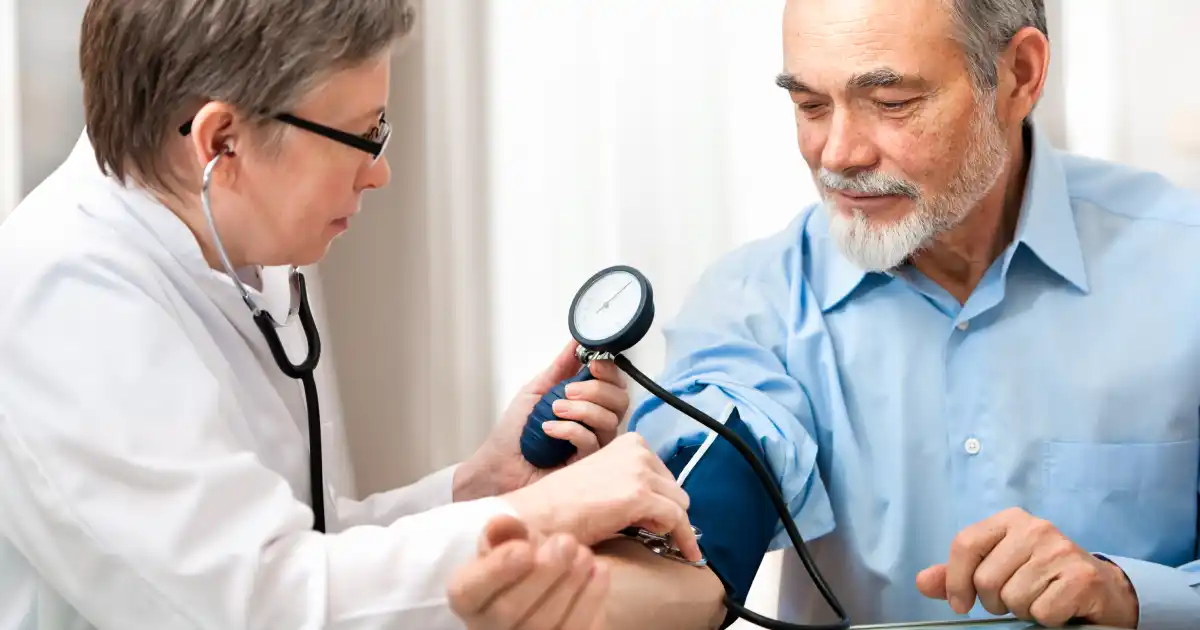
Remote patient monitoring adds another layer. Through connected devices, providers can track key health indicators, such as blood pressure, glucose levels, and symptoms, over time. This is especially helpful for patients managing chronic conditions who benefit from regular check-ins without frequent clinic visits.
Virtual healthcare also supports preventive care. Providers can review health histories, discuss lifestyle factors, and offer guidance that promotes long-term wellness. In rural settings, where preventive services may be less accessible, this proactive approach helps reduce avoidable complications.
Telemedicine and Functional Medicine Working Together
Functional medicine focuses on understanding the root causes of health concerns rather than addressing symptoms alone. It considers lifestyle, nutrition, stress, and individual health history as part of a complete picture. Telemedicine supports this model well. Virtual visits allow for longer, more detailed conversations without the pressure of a busy clinic environment. Patients can discuss concerns openly from a familiar setting, which often leads to more accurate insights.
At Apex Integrative, telemedicine consultations integrate functional medicine principles into virtual care. Patients receive personalized treatment plans that may include nutrition guidance, prescription management, and targeted therapies based on individual needs. This approach works particularly well for patients in rural areas who want thoughtful care but may not have access to functional medicine specialists nearby.
Telemedicine for Mental Health Support
Access to mental health care remains a challenge in many rural communities. Stigma, provider shortages, and long travel distances often prevent people from seeking help.
Telemedicine offers a private and accessible alternative. Virtual mental health care allows patients to connect with licensed professionals from their own space. This sense of comfort can make a meaningful difference, especially for individuals managing anxiety, depression, or stress.
Telehealth for mental health supports regular check-ins, therapy sessions, and medication management. It also allows for timely adjustments when symptoms change. For many patients, this continuity leads to better engagement and improved emotional well-being.
Telemedicine Appointments and Chronic Disease Management
Chronic conditions require ongoing attention. Diabetes, hormonal imbalances, weight management concerns, and cardiovascular conditions benefit from regular monitoring and consistent communication.
Telemedicine appointments make this easier to sustain. Patients can review lab results, discuss symptoms, and adjust treatment plans without having to travel repeatedly. Remote patient monitoring supports this process by providing real-time data that informs care decisions.
This level of access encourages adherence to treatment plans. Patients are more likely to attend follow-ups when the process fits into their daily lives. Over time, this consistency supports better outcomes and fewer complications.
A Thoughtful Step Toward Accessible Care
Telemedicine is changing how people think about healthcare access, especially in rural settings. It supports timely care, ongoing communication, and patient-centered treatment models without unnecessary barriers.
At Apex Integrative, telemedicine is designed to support real lives, not disrupt them. Virtual care enables you to stay connected, informed, and supported throughout every stage of your health.
If you are exploring options for virtual healthcare or looking for a more flexible approach to managing your health, consider taking the next step. Start a Virtual Visit and learn how telemedicine appointments can fit into your care journey in a way that feels practical and personal.