Skip to content

Table of Contents
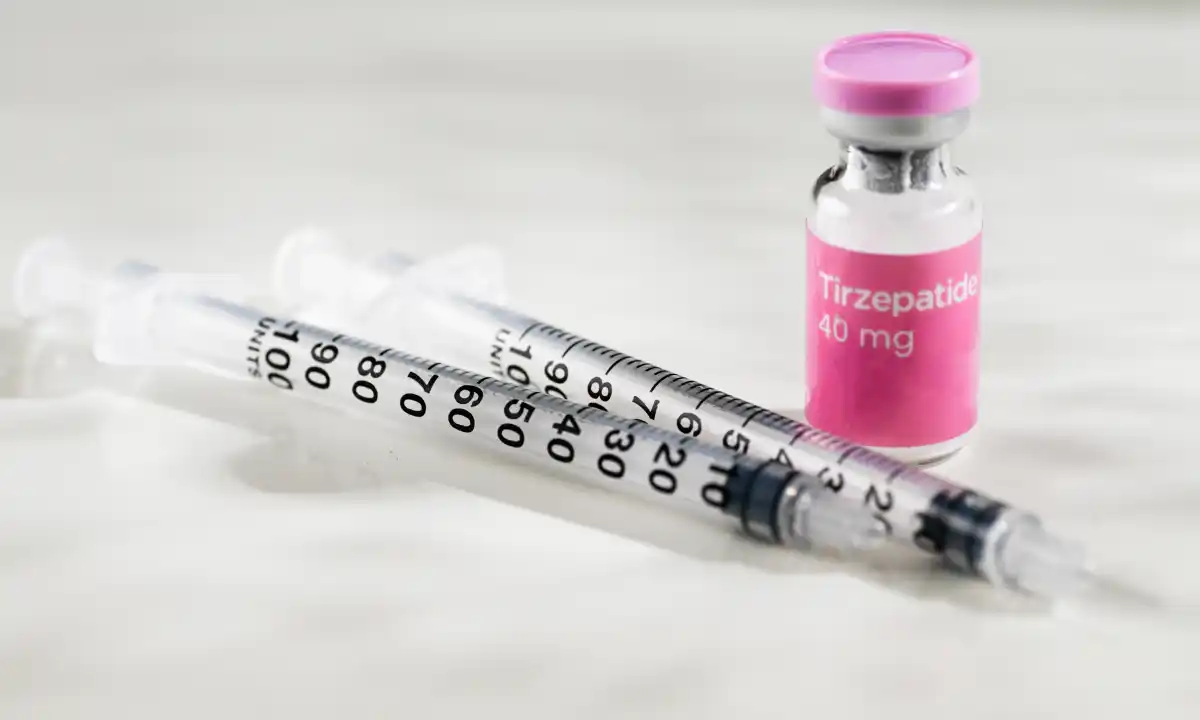
Peptide therapy has been getting a lot of attention in wellness and integrative medicine spaces, and for good reason. People who feel frustrated by quick fixes that never last or treatments that promise more than they deliver are starting to ask better questions. One of the most common is honest and straightforward: how long does peptide therapy actually take to work?
If you are feeling low energy, struggling with stubborn weight changes, noticing slower recovery, or sensing that your body just does not bounce back the way it used to, peptide therapy may sound appealing. At the same time, it can feel overwhelming to sort through online timelines, expectations, and claims.
At Apex Integrative, clinical peptide therapy is approached with education and realism at the forefront. Patients are guided through what peptide therapy can support, how it works with the body, and what a reasonable results timeline looks like. Understanding that process upfront helps set the foundation for better outcomes and more confidence in your care decisions.
This guide focuses on realistic timelines, not hype. The goal is to help you understand when peptides start working, what changes may appear first, and why consistency and personalization matter.
Understanding How Long Does Peptide Therapy Take to Work
Peptide therapy works differently from treatments that mask symptoms. Peptides are short chains of amino acids that act as messengers in the body. They signal specific biological processes, including metabolism, repair, hormone signaling, inflammation, and cellular communication.
Because peptide therapy supports natural processes rather than forcing rapid changes, results tend to appear gradually. The exact timeline depends on the type of peptides used, the health concern being addressed, and how your body responds.
Some people notice subtle changes within the first few weeks, while others require several months to experience meaningful improvements. This does not mean the therapy is ineffective. It reflects how the body adapts and responds at a cellular level.
How Peptide Therapy Works Inside the Body
To understand peptide therapy results timelines, it helps to know what is happening beneath the surface. Peptides bind to specific receptors on cells, triggering responses such as increased hormone production, improved tissue repair, or enhanced fat metabolism.
Unlike medications that override natural systems, peptides encourage the body to do what it is already designed to do, just more efficiently. That process takes time.
Clinical peptide therapy at Apex Integrative in Rockwall, TX, is tailored to individual goals. Some peptides focus on energy and metabolic support, others on muscle recovery, immune function, skin health, or hormonal balance. The timeline varies depending on which systems are being supported.
When Do Peptides Start Working? A General Timeline
While everyone responds differently, many patients experience general phases during peptide therapy. These are not guarantees, but common patterns observed in clinical practice.
Weeks 1 to 2:
Early changes may be subtle. Some people report improved sleep quality, slightly better energy, or reduced inflammation. Others may feel very little at this stage, which is normal.
Weeks 3 to 6:
This is often when patients begin noticing more evident signs that peptides are working. Energy levels may feel more stable, recovery after exercise can improve, and mental clarity may increase. Appetite regulation and mood balance may also start to shift.
Months 2 to 3:
More visible changes often appear during this phase. Weight management efforts may feel more effective, muscle tone can improve, and overall stamina tends to increase. Skin health and libido improvements may also become noticeable, depending on the peptide protocol.
Months 3 and beyond:
Longer-term benefits, such as sustained fat loss, improved metabolic health, a stronger immune response, and better overall vitality, often develop with continued therapy. This is where the effectiveness of peptide therapy becomes clearer for many patients.
Understanding this progression helps set realistic expectations and reinforces the importance of patience.
Factors That Influence Peptide Therapy Results Timeline
Several factors affect how quickly peptide therapy works and how noticeable the results are. These include overall health, lifestyle habits, and treatment consistency. Age plays a role: younger bodies may respond more quickly to signaling peptides, while older individuals may need more time for cellular repair. Existing health conditions, hormone imbalances, and inflammation levels can also influence timelines.
Lifestyle factors matter more than many people realize. Nutrition, sleep, stress management, and physical activity all affect how well peptides perform their functions. Peptide therapy works best when supported by healthy habits rather than used as a standalone solution. Consistency is another key factor. Skipping doses or stopping too early often delays or limits results. Clinical guidance ensures dosing and duration align with your goals and biology.
What to Expect From Peptide Therapy Over Time
Peptide therapy is not designed for overnight transformation. Instead, it supports gradual improvements that feel more natural and sustainable. Patients often describe feeling more like themselves again rather than feeling dramatically different. Energy becomes steadier, recovery feels easier, and motivation improves. These changes can positively affect daily life, workouts, and overall mood.
Weight management benefits may include improved fat metabolism and better muscle preservation, especially when combined with supportive treatments like semaglutide for appetite control or BHRT for hormonal balance. These combinations are carefully considered based on individual needs. Peptide therapy benefits also extend beyond physical appearance. Cognitive clarity, immune resilience, and inflammation control are commonly reported improvements over time.
A Clearer Perspective on Progress and Patience
Understanding how long peptide therapy takes to work helps shift the focus from instant results to meaningful progress. The body responds in stages, and those stages are influenced by biology, consistency, and overall health.
Peptide therapy is not about forcing change. It is about supporting the systems that keep the body functioning well over time. For many patients, the most valuable outcomes are not just physical changes but also improved quality of life and renewed confidence in their health journey. If you are curious about whether peptide therapy aligns with your goals, a thoughtful conversation can provide clarity.
At Apex Integrative, clinical peptide therapy in Rockwall, TX, is guided by experience, education, and individualized care. When you feel ready to explore what peptide therapy could look like for you, consider taking the next step and Book Your Consultation. A personalized plan can help you understand realistic timelines and support your path toward better health with confidence and clarity.